সবচেয়ে পরিবেশ-বান্ধব খড় কী গঠন করে তা মূল্যায়নের জন্য কৃষি সম্পদের ব্যবহার, কাঁচামাল নিষ্কাশনের পদ্ধতি, উৎপাদন নির্গমন, কর্মক্ষম স্থায়িত্ব এবং চূড়ান্ত জীবনের পরিবেশগত অবক্ষয় পরীক্ষা করা প্রয়োজন। সাম্প্রতিক বছরগুলিতে, একক-ব্যবহারের প্লাস্টিক বর্জ্য সম্পর্কে জনসচেতনতা বিকল্প উপাদান বিজ্ঞানে ব্যাপক উদ্ভাবন করেছে। ভোক্তা এবং প্যাকেজিং ইঞ্জিনিয়াররা একইভাবে পুনর্নবীকরণযোগ্য বিকল্পগুলি সনাক্ত করতে প্রচলিত পেট্রোলিয়াম থেকে প্রাপ্ত পলিপ্রোপিলিনের বাইরে খুঁজছেন। টেকসই পানীয় সরঞ্জামের অনুসন্ধান কৃষি অবশিষ্টাংশ ব্যবহারের একটি বিস্তৃত অন্বেষণের দিকে পরিচালিত করেছে, যেখানে ফসলের উপজাত যেমন গমের ডাঁটা, আখের ব্যাগাস এবং চালের খড় কার্যকরী পণ্যে রূপান্তরিত হয়।
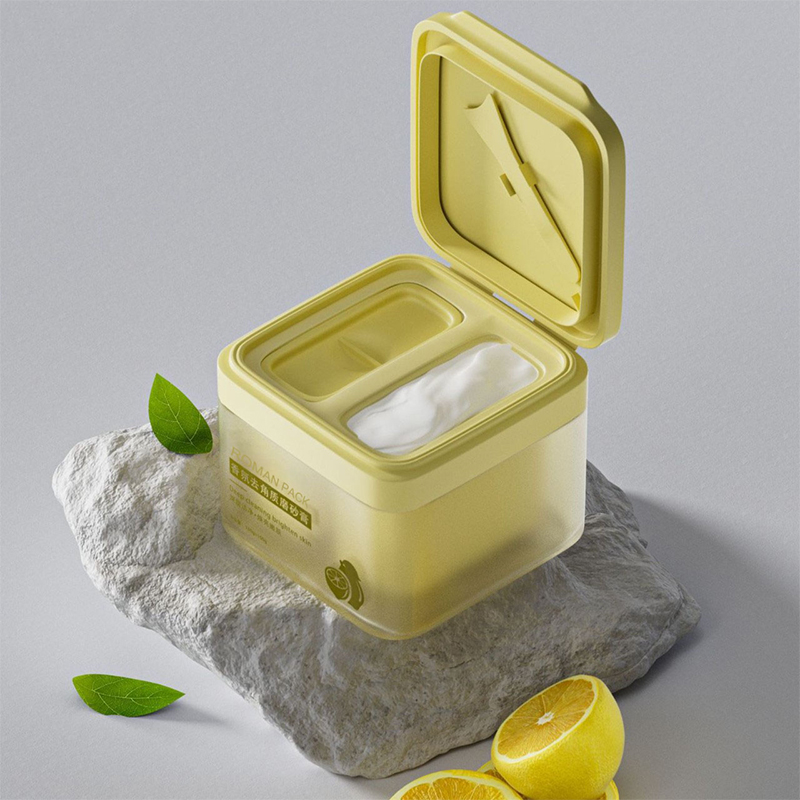
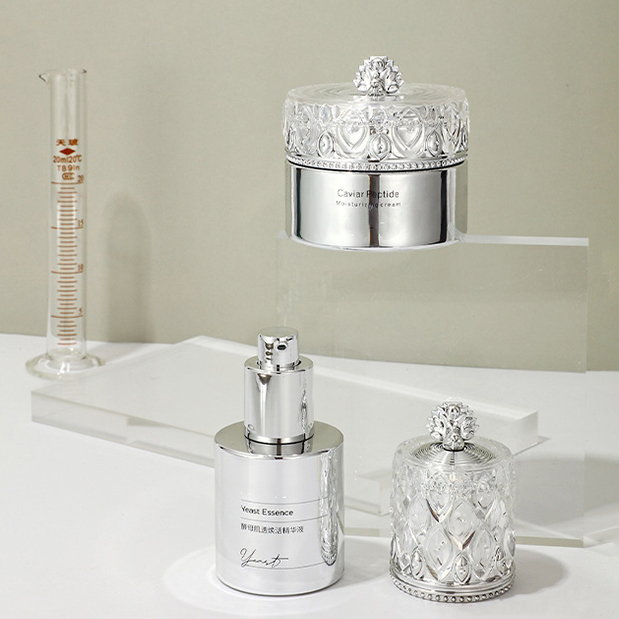
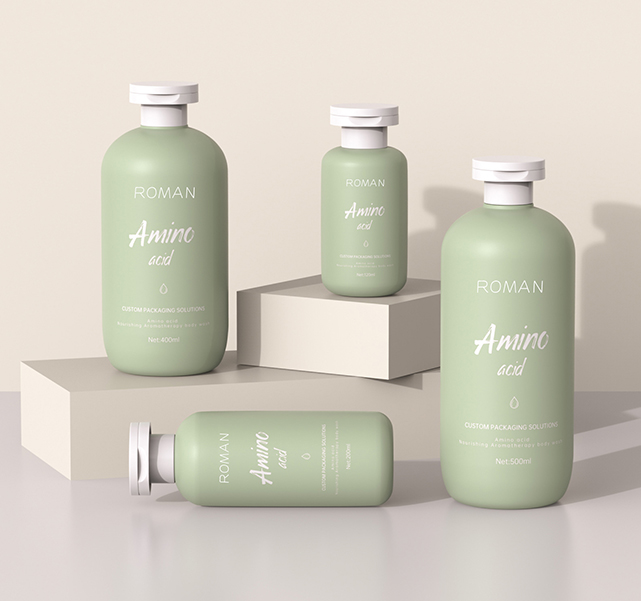
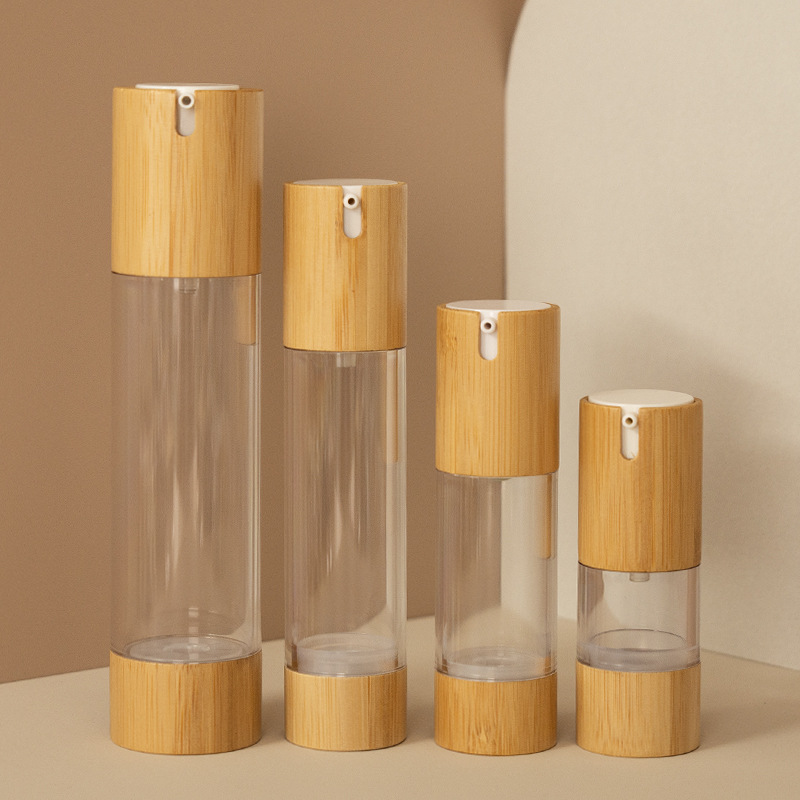
মজার বিষয় হল, প্রাকৃতিক পানীয় স্ট্রের জন্য তৈরি করা উপাদান প্রযুক্তিগুলি টেকসই প্যাকেজিং বিন্যাসের সাথে সরাসরি রাসায়নিক এবং কাঠামোগত নীতিগুলি ভাগ করে। কৃষি ফসলের বর্জ্য যা অন্যথায় পুড়িয়ে ফেলা হবে বা ক্ষেতে পচে যাওয়ার জন্য রেখে দেওয়া হবে তা প্রাকৃতিক ফাইবার কম্পোজিটগুলিতে প্রক্রিয়া করা যেতে পারে। এই জৈব-যৌগিক উপকরণগুলি এখন দৈনন্দিন খাওয়ার পাত্র থেকে শুরু করে টেকসই ভোক্তা পাত্রে যেমন একটি কাঠামোগত আইটেম তৈরি করতে ব্যাপকভাবে ব্যবহৃত হয় খড় প্রসাধনী বোতল ব্যক্তিগত যত্ন ফর্মুলেশন জন্য. কোন খড়ের উপাদান সবচেয়ে কম পরিবেশগত পদচিহ্ন দেয় তা বোঝার জন্য তাদের সম্পূর্ণ জীবনচক্র জুড়ে সরাসরি প্রাকৃতিক উদ্ভিদের ডালপালা এবং প্রক্রিয়াজাত বায়োপলিমার ফর্মুলেশন উভয়ই বিশ্লেষণ করা জড়িত।
সবচেয়ে টেকসই খড় বিকল্প জন্য অনুসন্ধান
পানীয় স্ট্রের পরিবেশগত র্যাঙ্কিং নির্ধারণে একটি পণ্য প্রাকৃতিক বা বায়োডিগ্রেডেবল হিসাবে লেবেল করা হয়েছে কিনা তা মূল্যায়নের চেয়ে আরও বেশি কিছু জড়িত। একটি কঠোর পরিবেশগত মূল্যায়ন অবশ্যই চাষের সময় মোট জল খরচ, রাসায়নিক ব্যবহার, প্রক্রিয়াকরণের সময় শক্তি ব্যয়, পরিবহন সরবরাহ, এবং উপাদানগুলিকে নিরাপদে ভেঙে ফেলার জন্য প্রয়োজনীয় নির্দিষ্ট শর্তগুলির ওজন করতে হবে।
প্রাকৃতিক উদ্ভিদের ডালপালা যার জন্য ন্যূনতম শিল্প প্রক্রিয়াকরণের প্রয়োজন হয় সেগুলি সাধারণত সর্বনিম্ন কার্বন এবং পরিবেশগত পদচিহ্ন উপস্থাপন করে। যখন কৃষি উপজাতগুলি সরাসরি কার্যকরী আইটেমগুলিতে পুনরুদ্ধার করা হয়, তখন শস্য চাষের সম্পদের বোঝা প্রাথমিক খাদ্য উৎপাদনের জন্য ইতিমধ্যেই দায়ী করা হয়। ফলস্বরূপ, গমের খড়ের মতো ফসলের অবশিষ্টাংশগুলিকে ব্যবহার করা সম্পদ ব্যবস্থাপনার জন্য একটি অত্যন্ত বৃত্তাকার পদ্ধতির প্রতিনিধিত্ব করে, নিবেদিত জমি বরাদ্দ বা অতিরিক্ত সেচের সংস্থান ছাড়াই কৃষি বর্জ্য স্রোতকে মূল্যবান ভোগ্যপণ্যে রূপান্তরিত করে।
কৃষি বায়োমাস এবং খড়-ভিত্তিক উপকরণ বোঝা
কৃষি বায়োমাস শস্য, খাদ্যশস্য ফসল এবং কৃষি গাছপালা সংগ্রহের পরে রেখে যাওয়া কাঠামোগত জৈব অবশিষ্টাংশ নিয়ে গঠিত। ঐতিহাসিকভাবে স্বল্প-মূল্যের কৃষি বর্জ্য হিসাবে বিবেচিত, ফসলের ডালপালাগুলিতে প্রাকৃতিক সেলুলোজ, হেমিসেলুলোজ এবং লিগনিনের উচ্চ ঘনত্ব থাকে, যা অন্তর্নিহিত যান্ত্রিক শক্তি এবং তাপীয় স্থিতিশীলতা প্রদান করে।
কাঁচা ফসল বর্জ্য কার্যকরী ফাইবার মধ্যে আপসাইক্লিং
কাঁচা কৃষি ফসলের বর্জ্যকে ব্যবহারযোগ্য কার্যকরী উপাদানে রূপান্তর করার প্রক্রিয়া শস্য সংগ্রহের পরপরই শুরু হয়। কৃষকরা কৃষিক্ষেত্র থেকে গম, রাই, বার্লি বা ধানের শুকনো ডালপালা সংগ্রহ করে। এই ডালপালাগুলিকে জ্বালিয়ে দেওয়ার পরিবর্তে, যা বায়ুমণ্ডলে কার্বন ডাই অক্সাইড এবং সূক্ষ্ম কণাকে ছেড়ে দেয়, প্রসেসরগুলি প্রাকৃতিক ডালপালা পরিষ্কার, জীবাণুমুক্ত এবং যান্ত্রিক বিন্যাস করে।
সরাসরি খড় প্রয়োগের জন্য, প্রাকৃতিক ফাঁপা ডালপালা আদর্শ দৈর্ঘ্যে কাটা হয়, উচ্চ-তাপমাত্রার বাষ্প ব্যবহার করে ধুয়ে ফেলা হয় এবং স্বাস্থ্যকর অবস্থায় শুকানো হয়। ফলস্বরূপ পণ্যটি উদ্ভিদের কাণ্ডের প্রাকৃতিক নলাকার গঠন বজায় রাখে, সিন্থেটিক সংযোজন বা রাসায়নিক বাইন্ডারের প্রয়োজন ছাড়াই তরলগুলির জন্য একটি স্বাভাবিকভাবে কার্যকরী নালী প্রদান করে। সূক্ষ্ম উদ্ভিদের গুঁড়োতে আরও পরিমার্জিত হলে, এই সেলুলোসিক ফাইবারগুলি পরিবেশ বান্ধব স্ট্র কসমেটিক বোতলের শেলের মতো কঠিন জাহাজ তৈরিতে ব্যবহৃত কাঠামোগত বায়ো-কম্পোজিটগুলির জন্য ফিলারকে শক্তিশালী করার কাজ করে।
যৌগিক পলিমার মিশ্রণ এবং জৈব-রজন ফর্মুলেশন
যদিও কাঁচা গাছের ডালপালা একক-ব্যবহারের পানীয় সরঞ্জাম হিসাবে কার্যকরভাবে কাজ করে, টেকসই, আর্দ্রতা-প্রতিরোধী ছাঁচে তৈরি আইটেমগুলিকে বাঁধাই পলিমারের সাথে প্রাকৃতিক খড়ের তন্তুগুলিকে মিশ্রিত করতে হয়। যৌগিক রজন উৎপাদনে, সূক্ষ্মভাবে পাল্ভারাইজড গমের খড়ের গুঁড়া পলিল্যাকটিক অ্যাসিড বা পুনর্ব্যবহারযোগ্য পলিওলিফিনের মতো বায়োপলিমারের সাথে মিলিত হয়।
এই ফিউশন একটি জৈব-যৌগিক রজন তৈরি করে যা উল্লেখযোগ্যভাবে ভার্জিন পেট্রোলিয়াম উপকরণের উপর নির্ভরতা হ্রাস করে। এমবেডেড প্ল্যান্ট ফাইবারগুলি সমাপ্ত পণ্যটিকে একটি স্বতন্ত্র দাগযুক্ত টেক্সচার এবং প্রাকৃতিক নান্দনিকতা প্রদান করে। কন্টেইনার তৈরিতে ব্যবহার করা হলে, একটি বায়ো-কম্পোজিট স্ট্র কসমেটিক বোতল কন্টেইনার প্রচলিত প্লাস্টিকের প্যাকেজিংয়ের তুলনায় পঞ্চাশ শতাংশ কম জীবাশ্ম জ্বালানি রজন ব্যবহার করার সময় উচ্চ যান্ত্রিক স্থায়িত্ব, প্রভাব প্রতিরোধ ক্ষমতা এবং কাঠামোগত দৃঢ়তা অর্জন করে।
খড়ের শ্রেণীবিভাগের ব্যাপক জীবনচক্র বিশ্লেষণ
বাস্তুসংস্থানগত দৃষ্টিকোণ থেকে কোন খড়ের বৈকল্পিক সর্বোত্তম কার্য সম্পাদন করে তা নির্ধারণ করতে, বর্তমানে বাজারে উপলব্ধ প্রাথমিক উপাদান শ্রেণীগুলি পরীক্ষা করা সহায়ক। প্রতিটি উপাদান বিভাগ অনন্য সুবিধা, প্রক্রিয়াকরণ প্রয়োজনীয়তা, এবং জীবনের শেষ বৈশিষ্ট্য প্রদর্শন করে।
গমের খড় এবং প্রাকৃতিক শস্যের ডালপালা
প্রাকৃতিক গমের খড়ের ডালপালা বর্তমানে উপলব্ধ সবচেয়ে পরিবেশগতভাবে একক-ব্যবহারের বিকল্পগুলির মধ্যে রয়েছে। যেহেতু এই খড়গুলি গম শস্যের ফসলের উপজাত থেকে প্রাপ্ত হয়, তাদের উৎপাদনের জন্য কোন অতিরিক্ত জমি, জল বা কৃষি উপকরণের প্রয়োজন হয় না। গমের ডালপালা প্রক্রিয়াকরণের জন্য প্রয়োজনীয় শক্তি ফসল কাটা, যান্ত্রিক কাটা, বাষ্প পরিষ্কার এবং প্যাকেজিংয়ের মধ্যে সীমাবদ্ধ।
তরল প্রয়োগে, প্রাকৃতিক গমের খড় নরম না করে বা কাগজের মতো স্বাদকে পানীয়তে না ফেলে অনমনীয় থাকে। এগুলি বাড়ির বাগানের পরিবেশে সম্পূর্ণরূপে কম্পোস্টযোগ্য, প্রাকৃতিকভাবে জৈব মাটিতে কয়েক সপ্তাহের মধ্যে পচে যায়। অধিকন্তু, গমের খড়ের মধ্যে শূন্য সিন্থেটিক রাসায়নিক আবরণ, ফ্লোরিনযুক্ত রাসায়নিক বা পেট্রোলিয়াম রেজিন থাকে, যাতে নিষ্পত্তি করার সময় কোনো রাসায়নিক অবশিষ্টাংশ মাটি বা জলজ বাস্তুতন্ত্রে প্রবেশ না করে।
কাগজ এবং পুনরুত্পাদিত সেলুলোজ বিকল্প
কাগজের খড়গুলি প্রচলিত প্লাস্টিকের পানীয় খড়ের প্রথম দিকের বিস্তৃত বিকল্পগুলির মধ্যে একটি হিসাবে আবির্ভূত হয়েছে। কাঠের সজ্জা বা পুনরুত্থিত সেলুলোজ ফাইবার থেকে তৈরি, কাগজের খড় রাসায়নিক পাল্পিং, ব্লিচিং এবং তরল আঠালো ব্যবহার করে মাল্টি-প্লাই সর্পিল ঘূর্ণায়মান হয়।
কাগজের খড় পুনর্নবীকরণযোগ্য বন সম্পদ থেকে প্রাপ্ত হলেও, তাদের উত্পাদন প্রক্রিয়া শক্তি-নিবিড় এবং জল-চাহিদার। তরল পদার্থের সংস্পর্শে দ্রুত বিচ্ছিন্ন হওয়া থেকে কাগজ রোধ করতে, নির্মাতারা প্রায়ই বিশেষ আর্দ্রতা বাধা আবরণ বা সিন্থেটিক আঠা প্রয়োগ করে। যদি অ-কম্পোস্টেবল আঠালো বা সিন্থেটিক মোমের স্তরগুলি উত্পাদনের সময় প্রয়োগ করা হয়, ফলস্বরূপ খড় বাড়ির কম্পোস্টিং সিস্টেমে দক্ষতার সাথে ভাঙ্গতে ব্যর্থ হতে পারে। অতিরিক্তভাবে, তরল পদার্থে বর্ধিত নিমজ্জনের সময় কাগজের খড়গুলি দ্রুত নরম হয়ে যায়, যা ভোক্তার সন্তুষ্টিকে প্রভাবিত করে।
উদ্ভিদ-ভিত্তিক বায়োপলিমার এবং পলিহাইড্রোক্সিয়ালকানোয়েটস
উদ্ভিদ-ভিত্তিক বায়োপলিমারগুলি জীবাশ্ম জ্বালানি ব্যবহার না করে প্রচলিত প্লাস্টিকের নমনীয় কর্মক্ষমতা প্রতিলিপি করার জন্য একটি প্রযুক্তিগত পদ্ধতির প্রতিনিধিত্ব করে। পলিল্যাকটিক অ্যাসিড, ভুট্টা বা কাসাভার মতো গাঁজানো উদ্ভিদের স্টার্চ থেকে প্রাপ্ত, নমনীয়, পরিষ্কার পানীয়ের খড়ের মধ্যে বের করা যেতে পারে যা ঐতিহ্যগত পলিপ্রোপিলিন স্ট্রের সাথে ঘনিষ্ঠভাবে প্রতিফলিত হয়।
Polyhydroxyalkanoates, প্রায়ই PHA বায়োপলিমার হিসাবে মনোনীত, জৈব উদ্ভিদ তেল বা চিনির ব্যাকটেরিয়া গাঁজন দ্বারা উত্পাদিত হয়। PHA বায়োপলিমার স্ট্রগুলি একটি সুবিধা দেয় কারণ এগুলি সামুদ্রিক অবক্ষয়যোগ্য এবং বিশেষ উচ্চ-তাপ শিল্প কম্পোস্টিং অবকাঠামোর প্রয়োজন ছাড়াই প্রাকৃতিক মাটির পরিবেশে ভেঙে যায়। যাইহোক, বায়োপলিমার সংশ্লেষণের জন্য গাঁজন এবং নিষ্কাশনের সময় যথেষ্ট শক্তি ইনপুট প্রয়োজন, যা অপরিশোধিত কৃষি ডালপালাগুলির তুলনায় কাঁচা রজন উত্পাদনের প্রাথমিক কার্বন পদচিহ্ন বাড়ায়।
বাঁশ, কাচ, এবং ধাতু পুনর্ব্যবহারযোগ্য বিকল্প
প্রাকৃতিক বাঁশ, বোরোসিলিকেট গ্লাস বা ফুড-গ্রেড স্টেইনলেস স্টিল থেকে তৈরি পুনঃব্যবহারযোগ্য পানীয় স্ট্র একটি ভিন্ন পরিবেশগত প্রস্তাব উপস্থাপন করে। বাঁশের খড়গুলি প্রাকৃতিক বাঁশের অঙ্কুর থেকে তৈরি করা হয়, যা উচ্চ প্রাকৃতিক স্থায়িত্ব, মসৃণ নান্দনিক গঠন এবং একবার জীর্ণ হয়ে গেলে বাড়িতে কম্পোস্টযোগ্যতা প্রদান করে। কাচ এবং স্টেইনলেস স্টীল স্ট্রগুলি সঠিকভাবে পরিষ্কার এবং রক্ষণাবেক্ষণ করলে অনির্দিষ্টকালের কর্মক্ষম জীবনকাল অফার করে।
পুনঃব্যবহারযোগ্য বিকল্পগুলির প্রাথমিক পরিবেশগত ফ্যাক্টর তাদের প্রাথমিক উত্পাদন শক্তি এবং ব্যবহারের ফ্রিকোয়েন্সির মধ্যে রয়েছে। স্টেইনলেস স্টীল নিষ্কাশন, ধাতু পরিশোধন, এবং উচ্চ-তাপমাত্রার কাচ গলানোর জন্য উচ্চ ক্যালোরি শক্তি ইনপুট প্রয়োজন। একটি প্রাকৃতিক গমের খড়ের তুলনায় একটি পুনঃব্যবহারযোগ্য ধাতু বা কাচের খড়ের জন্য কম নেট কার্বন প্রভাব অর্জনের জন্য, এটি অবশ্যই কয়েকশ বার পুনঃব্যবহার করতে হবে, নিয়মিত থালা-বাসন ধোয়ার সময় গরম জল এবং সাবান খাওয়ার জন্য হিসাব করে।
পরিবেশগত প্রভাব তুলনা ম্যাট্রিক্স
খড়ের উপকরণের আপেক্ষিক স্থায়িত্ব মূল্যায়নের জন্য উৎপাদন এবং নিষ্পত্তির পর্যায় জুড়ে মূল পরিবেশগত মেট্রিক্স বিশ্লেষণ করা প্রয়োজন।
| উপাদান শ্রেণীবিভাগ | কাঁচামালের উৎস | উৎপাদন শক্তির চাহিদা | আর্দ্রতা স্থিতিশীলতা | হোম কম্পোস্টবিলিটি | সামুদ্রিক অবনতি |
|---|---|---|---|---|---|
| প্রাকৃতিক গমের খড় | কৃষি শস্য উপজাত | ন্যূনতম প্রক্রিয়াকরণ শক্তি | তরল উচ্চ স্থায়িত্ব | সম্পূর্ণরূপে বাড়িতে কম্পোস্টেবল | দ্রুত প্রাকৃতিক অবক্ষয় |
| প্রসেসড পেপার স্ট্র | কাঠ পাল্প বনায়ন | উচ্চ জল এবং শক্তি চাহিদা | নিম্ন থেকে মাঝারি স্থিতিশীলতা | আঠালো উপর ভিত্তি করে পরিবর্তিত হয় | মাঝারি অবনতি |
| পলিল্যাকটিক অ্যাসিড রজন | গাঁজানো ভুট্টা স্টার্চ | উচ্চ তাপ প্রক্রিয়াকরণ শক্তি | ঠান্ডা তরল উচ্চ স্থায়িত্ব | শিল্প কম্পোস্টিং প্রয়োজন | নিম্ন পরিবেষ্টিত অবনতি |
| প্রাকৃতিক বাঁশের কান্ড | নবায়নযোগ্য বাঁশ ফসল | নিম্ন থেকে মাঝারি প্রক্রিয়াকরণ | উচ্চ পুনর্ব্যবহারযোগ্য স্থায়িত্ব | সম্পূর্ণরূপে বাড়িতে কম্পোস্টেবল | ধীরে ধীরে প্রাকৃতিক ভাঙ্গন |
| স্টেইনলেস স্টীল | খনিযুক্ত আকরিক এক্সট্রুশন | অত্যন্ত উচ্চ উত্পাদন শক্তি | পরম আর্দ্রতা প্রতিরোধের | অ-কম্পোস্টেবল, পুনর্ব্যবহারযোগ্য | অ-ক্ষয়যোগ্য, অবিরাম |
| বায়ো-কম্পোজিট প্লাস্টিক | কৃষি ফাইবার এবং পলিমার | পরিমিত প্রক্রিয়াকরণ শক্তি | ব্যতিক্রমী কাঠামোগত অখণ্ডতা | শিল্প বা ল্যান্ডফিল স্থিতিশীল | ন্যূনতম মাইক্রোপ্লাস্টিক রিলিজ |
স্ট্র ফাইবার কম্পোজিট পাত্রের বিবর্তন
পরিবেশ-বান্ধব নীতিগুলি যা কৃষি খড়কে পানীয় অ্যাপ্লিকেশনের জন্য পছন্দসই করে তোলে আধুনিক বাণিজ্যিক প্যাকেজিংয়ের সাথে সরাসরি প্রাসঙ্গিক। সৌন্দর্য এবং ব্যক্তিগত যত্ন শিল্প বছরে কোটি কোটি কঠোর প্যাকেজিং ইউনিট তৈরি করে, যা নির্মাতাদেরকে ফসলের অবশিষ্টাংশ থেকে প্রাপ্ত জৈব-ভিত্তিক উপকরণগুলির সাথে স্ট্যান্ডার্ড সিন্থেটিক পলিমার প্রতিস্থাপন করতে প্ররোচিত করে।
অনমনীয় পাত্রে কৃষি বর্জ্য ব্যবহার
কঠোর কন্টেইনার উত্পাদনে কৃষি খড়ের একীকরণ টেকসই উপাদান প্রকৌশলের একটি প্রধান মাইলফলক উপস্থাপন করে। ঐতিহ্যগত প্রসাধনী প্যাকেজিং উচ্চ-ঘনত্বের পলিথিন, পলিপ্রোপিলিন এবং পলিথিন টেরেফথালেটের মতো ভার্জিন পলিওলিফিনের উপর অনেক বেশি নির্ভর করে। রজন ফর্মুলেশনে পাল্ভারাইজড শস্যের খড় যুক্ত করার মাধ্যমে, ধারক নির্মাতারা জীবাশ্ম জ্বালানী প্লাস্টিকের উল্লেখযোগ্য পরিমাণে অফসেট করে।
যখন কৃষি গমের খড়ের ফাইবার থার্মোপ্লাস্টিকগুলিতে মিশ্রিত হয়, তখন প্রাকৃতিক সেলুলোজ ফাইবারগুলি একটি শক্তিশালী অভ্যন্তরীণ ম্যাট্রিক্স তৈরি করে। এই প্রাকৃতিক শক্তিবৃদ্ধি প্রসার্য শক্তি এবং কাঠামোগত দৃঢ়তা উন্নত করে, নির্মাতারা প্রাচীরের শক্তির সাথে আপস না করে হালকা ওজনের পাত্র তৈরি করতে দেয়। এই পদ্ধতিটি নিম্ন-মূল্যের কৃষি অবশিষ্টাংশকে ব্যক্তিগত যত্নের বোতল, ক্যাপ এবং কমপ্যাক্ট কেসের মতো পণ্যগুলির জন্য একটি মূল্যবান কাঠামোগত কাঁচামালে রূপান্তরিত করে।
স্ট্র কসমেটিক বোতল ডিজাইনের কাঠামোগত বৈশিষ্ট্য
একটি আধুনিক স্ট্র কসমেটিক বোতল অনন্য কাঠামোগত সুবিধা প্রদান করে যা পরিবেশ সচেতন ব্র্যান্ড এবং গ্রাহকদের কাছে আবেদন করে। এম্বেড করা প্রাকৃতিক ফসলের ফাইবারগুলি একটি স্বতন্ত্র চাক্ষুষ টেক্সচার প্রদান করে, যা সূক্ষ্ম জৈব দাগ এবং একটি মসৃণ, উষ্ণ স্পর্শকাতর অনুভূতি দ্বারা চিহ্নিত করা হয়। এই প্রাকৃতিক ভিজ্যুয়াল প্রোফাইলটি অত্যধিক কৃত্রিম রঙের বা রাসায়নিক পৃষ্ঠের সমাপ্তির প্রয়োজনীয়তা দূর করে।
Beyond visual appeal, a wheat straw cosmetic bottle container provides mechanical resilience suitable for daily handling and travel environments. The outer container wall resists impact shock, preventing cracking when dropped on hard bathroom surfaces. Furthermore, the inclusion of natural cellulose fibers reduces overall resin density, resulting in a lightweight package that lowers total freight mass and shipping carbon emissions.
Performance Standards for Straw Fiber Cosmetic Packaging
Transitioning from traditional plastics to crop-fiber bio-composites requires ensuring that the packaging satisfies strict performance standards for product preservation, material safety, and formula compatibility.
Barrier Resistance and Formula Compatibility
Cosmetic and personal care formulations contain complex combinations of water, natural oils, active botanical extracts, essential oils, and emulsifiers. Packaging materials must provide an effective chemical barrier to prevent active ingredients from migrating into the bottle wall, while simultaneously preventing oxygen and moisture vapor from degrading the formulation inside.
An eco friendly straw cosmetic bottle packaging structure is engineered to maintain high chemical stability across diverse product types. The interior surface of the composite material maintains a non-reactive barrier, ensuring that active compounds such as Vitamin C, niacinamide, and botanical oils remain stable throughout their intended shelf life. Proper material formulation prevents the container walls from softening, swelling, or discoloring when in continuous contact with rich facial creams or fluid body lotions.
Structural Durability and Thermal Stability
Personal care containers experience varied thermal and mechanical conditions throughout their lifecycle, from warm shipping containers to humid bathroom environments. Straw-filled composite materials demonstrate high thermal dimensional stability, maintaining their shape and structural integrity when exposed to elevated ambient temperatures.
The presence of natural lignin and cellulose fibers within the polymer structure enhances heat deflection temperatures compared to unreinforced flexible polymers. As a result, a durable straw cosmetic bottle maintains a tight seal between the bottle neck threads and the cap assembly, preventing fluid leakage even when subjected to temperature shifts and mechanical pressure during transportation.
Functional Longevity Across Bio-Based Container Formats
Bio-composite straw materials are deployed across multiple personal care packaging formats, each designed to optimize product delivery and user convenience.
| Packaging Format | Primary Composite Materials | Application Compatibility | Operational Service Life | Primary Maintenance Requirement |
|---|---|---|---|---|
| Straw Fiber Lotion Flask | Wheat Straw and Polypropylene Blend | High-viscosity lotions, creams | Two to four years | Wipe exterior moisture after use |
| Bio-Composite Dropper Bottle | Crop Fiber Matrix and Glass Insert | Concentrated oils, facial serums | Three to five years | Store in dry vanity cabinet |
| Wheat Straw Pump Container | Bio-Composite Shell with PP Engine | Body cleansers, liquid soaps | Two to three years | Periodic clearing of pump nozzle |
| Bio-Based Squeeze Tube Vessel | Flexible Bio-Polymer and Straw | Sunscreens, facial cleansers | One to two years | Avoid extreme sharp mechanical folds |
Wheat Straw Cosmetic Bottle vs Traditional Polyolefin Plastic
Comparing a bio-composite wheat straw cosmetic bottle against a traditional virgin plastic container highlights clear environmental and functional distinctions. Standard polyethylene or polypropylene bottles rely entirely on non-renewable petroleum feedstocks, contributing to long-term carbon extraction. In contrast, straw composite bottles integrate up to fifty percent renewable crop biomass by weight, immediately reducing virgin resin consumption.
From a functional perspective, bio-composite bottles offer comparable impact strength and moisture resistance to standard plastics while providing superior tactile grip due to the natural matte texture of embedded fibers. While pure virgin plastic exhibits high gloss transparency, straw composite materials deliver a natural, matte organic appearance that communicates environmental responsibility without requiring additional decorative coatings.
Dispensing Mechanisms for Bio-Composite Packaging
To function effectively, bio-composite bottles are paired with precision-engineered dispensing mechanisms including lotion pumps, fine mist atomizers, and flip-top closures. Manufacturers can produce cap components and pump housing parts using the same straw fiber composite resin, ensuring visual consistency across the entire package.
Integrating a straw cosmetic bottle lid with an internal pump assembly creates an efficient dispensing solution for lotions, hand soaps, and facial cleansers. The precise threading achieved through bio-composite injection molding ensures a tight, leak-proof seal that protects internal contents from ambient moisture ingress and bacterial contamination.
Compostability and Recycling Pathways for Straw Fiber Products
Understanding the end-of-life disposal pathways for straw-based materials is essential for evaluating their ultimate environmental contribution. Material origin and chemical composition determine whether an item should enter municipal recycling streams, industrial composting facilities, or natural soil systems.
Industrial vs Home Composting Conditions
Pure agricultural straws, such as unrefined wheat or rice stalks, represent simple natural organic matter. When placed into a home garden compost bin, soil microorganisms, moisture, and ambient oxygen break down the cellulose fibers into rich humus within a matter of weeks.
However, bio-composite products that blend crop fibers with biopolymers like polylactic acid require industrial composting conditions to decompose fully. Industrial composting facilities maintain elevated temperatures typically exceeding fifty-five degrees Celsius, alongside managed humidity levels and specialized bacterial cultures. Under these controlled thermal conditions, biopolymer chains fragment, allowing microbes to consume both the synthetic biopolymer and embedded straw fibers within ninety to one hundred and eighty days.
Recyclability Challenges in Bio-Composite Materials
When agricultural straw fibers are blended with conventional recyclable plastics like polypropylene or high-density polyethylene, the resulting composite material requires consideration during waste sorting. Traditional municipal recycling systems rely on near-infrared optical sorting technology to categorize discarded plastic items by resin type.
Because bio-composite resins contain organic plant matter embedded within the polymer matrix, optical sorters may identify the container differently than standard mono-materials. To address this, specialized bio-composite recycling channels utilize mechanical shredding and melt filtration to process straw-filled polymers. When processed correctly, bio-composite materials can be reground and molded into durable industrial products such as shipping pallets, construction panels, and garden furniture, extending the material lifecycle across multiple product generations.
Microplastic Mitigation and Decomposition Rates
One of the primary ecological advantages of utilizing high percentages of natural biomass in consumer products is the reduction of persistent synthetic microplastics. Conventional petroleum plastics resist natural degradation, breaking down over centuries into microscopic synthetic particles that accumulate in aquatic environments and soil systems.
Incorporating natural straw cellulose into resin formulations increases the overall bio-availability of the material upon disposal. In environments where biodegradation occurs, micro-organisms target the natural plant fibers first, creating pathways for air and moisture to penetrate deep within the composite matrix. This accelerated structural fragmentation reduces the physical persistence of the material compared to solid virgin plastic constructs.
Operational Guidelines for Straw Composite Containers
To ensure that bio-composite containers maintain their structural stability, visual appeal, and functional integrity throughout their intended lifecycle, consumers and brand operators should adhere to standard storage and handling practices.
Moisture Protection and Storage Recommendations
While straw composite containers possess high water resistance due to their polymer matrix, prolonged exposure to standing water or extreme ambient humidity can affect the exterior surface finish over long periods. Containers like a refillable straw cosmetic bottle should be placed on clean, dry surfaces rather than sitting continuously in pools of water along bath edges or sink rims.
When storing personal care products packaged in bio-composite vessels, keeping containers in well-ventilated indoor spaces prevents ambient moisture from settling in the fine microscopic pores of the exterior wood fiber grain. Additionally, storing bottles away from direct sunlight preserves the original color tone of the natural plant fibers, preventing superficial fading caused by ultraviolet radiation.
Hygiene and Maintenance of Reusable Bio-Based Vessels
Maintaining proper hygiene when utilizing reusable or refillable straw composite bottles ensures extended utility and product safety. Before refilling a bio-composite bottle with fresh lotion, soap, or serum, the internal chamber should be rinsed thoroughly with warm water and mild liquid soap.
Users should avoid using abrasive scouring pads or strong chemical solvents such as pure acetone or bleach on the exterior surface, as harsh chemicals can strip away natural protective surface finishes and expose raw wood fibers to external staining. After cleaning, allowing the bottle and cap assembly to air dry completely on an open drying rack ensures that all internal moisture evaporates prior to refilling, securing hygienic storage for fresh personal care formulations.